
We have now transitioned from the Age of Climate to the Age of AI.
Until a few years ago, tech twitter, newspaper headlines, papal encyclicals, prediction market themes, book prize winners, and cocktail party conversations discussed the impending climate crisis— “what will the world look like in 2030?” in the same way that we now talk about AGI timelines.
Where things stand
Here’s what happened while everyone’s been talking about token costs and frontier models:
- 2025 was the hottest year ever recorded. We have already breached 1.5°C. The Paris Agreement is dead.
- Fed Chair Jerome Powell told the US Senate in February 2025 that climate change will make parts of America unmortgageable within 10-15 years. In Florida homes have already become uninsurable.
- Climate Change is repricing what we eat. Drought in Brazil drove global coffee prices up 55% in a single year. Heat waves and El Niño in West Africa tripled cocoa prices — a 280% spike.
- Heat cost India 247 billion working hours in 2024 — $194 billion in lost productivity, mostly borne by blue collar workers. That figure has more than doubled since the 1990s.
We started Alt Carbon because we’re optimistic about the future. We believe an era of energy abundance & planetary revival is possible. We believe AGI is crucial to get us there: to crack nuclear fusion, design better fertilizers, create cleaner construction materials, commercialise sustainable aviation & maritime fuels, and scale carbon removal technologies.
But the race to AGI will add 24 to 44 million tonnes of CO₂ into the atmosphere every year. This is going to be disastrous for the planet. Carbon in the atmosphere is already at its highest in 3 million years. This is why we need to scale Carbon Removal technologies.
Darjeeling Revival Project
For 50 million years, the Himalayas have been pulling carbon out of the atmosphere. We are accelerating that process into a few months, using frontier Earth Sciences. This is called Enhanced Rock Weathering (ERW).
In 2023, we brought together India’s leading geochemists, oceanographers, engineers & tea planters (me & my brother!) to conduct a lab experiment at the Indian Institute of Science, Bangalore (led by @MisraSambuddha & @gangulysourav10). The science worked in theory. But no one had proven it in the field. Could this even be done in India?

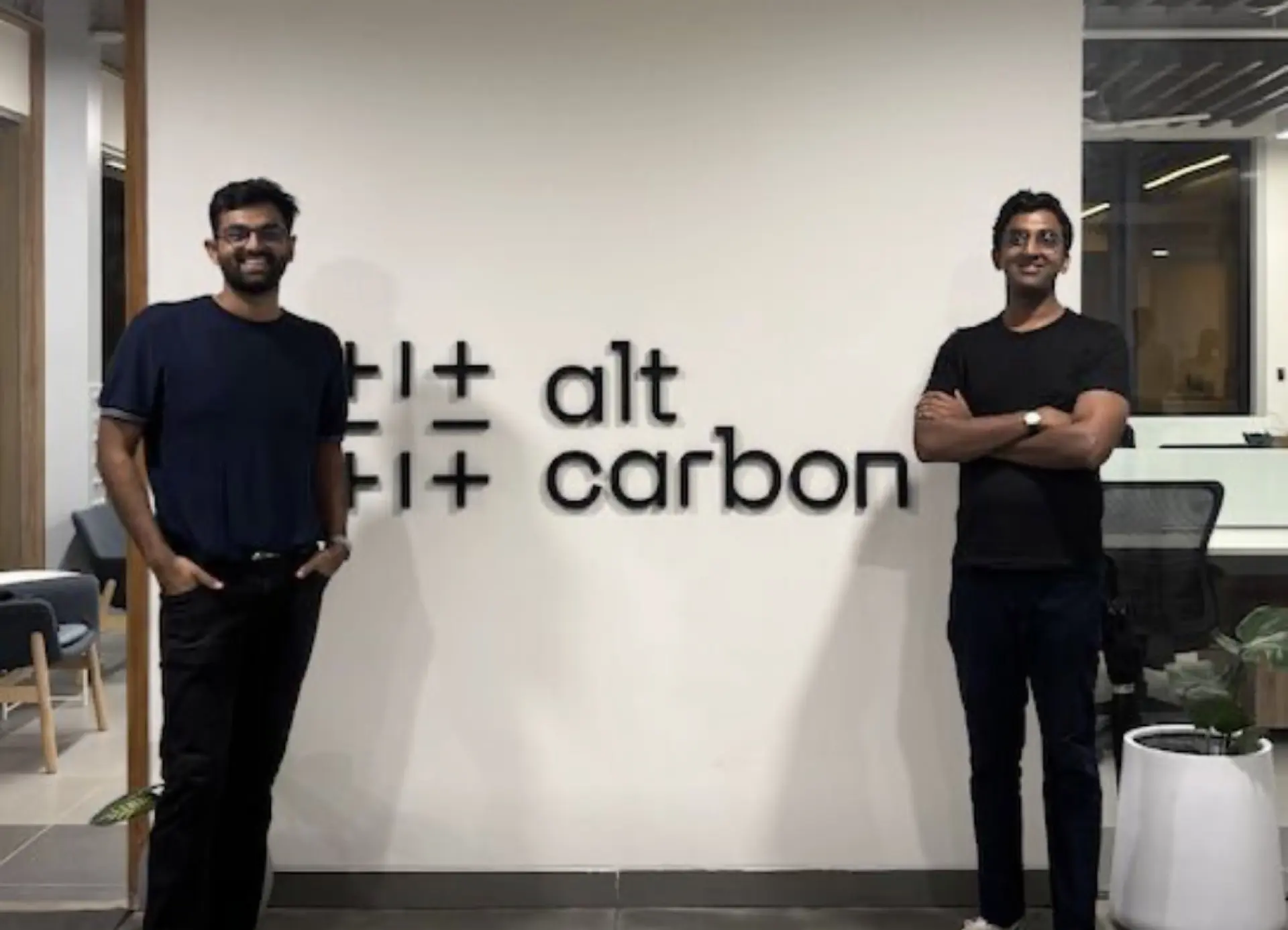

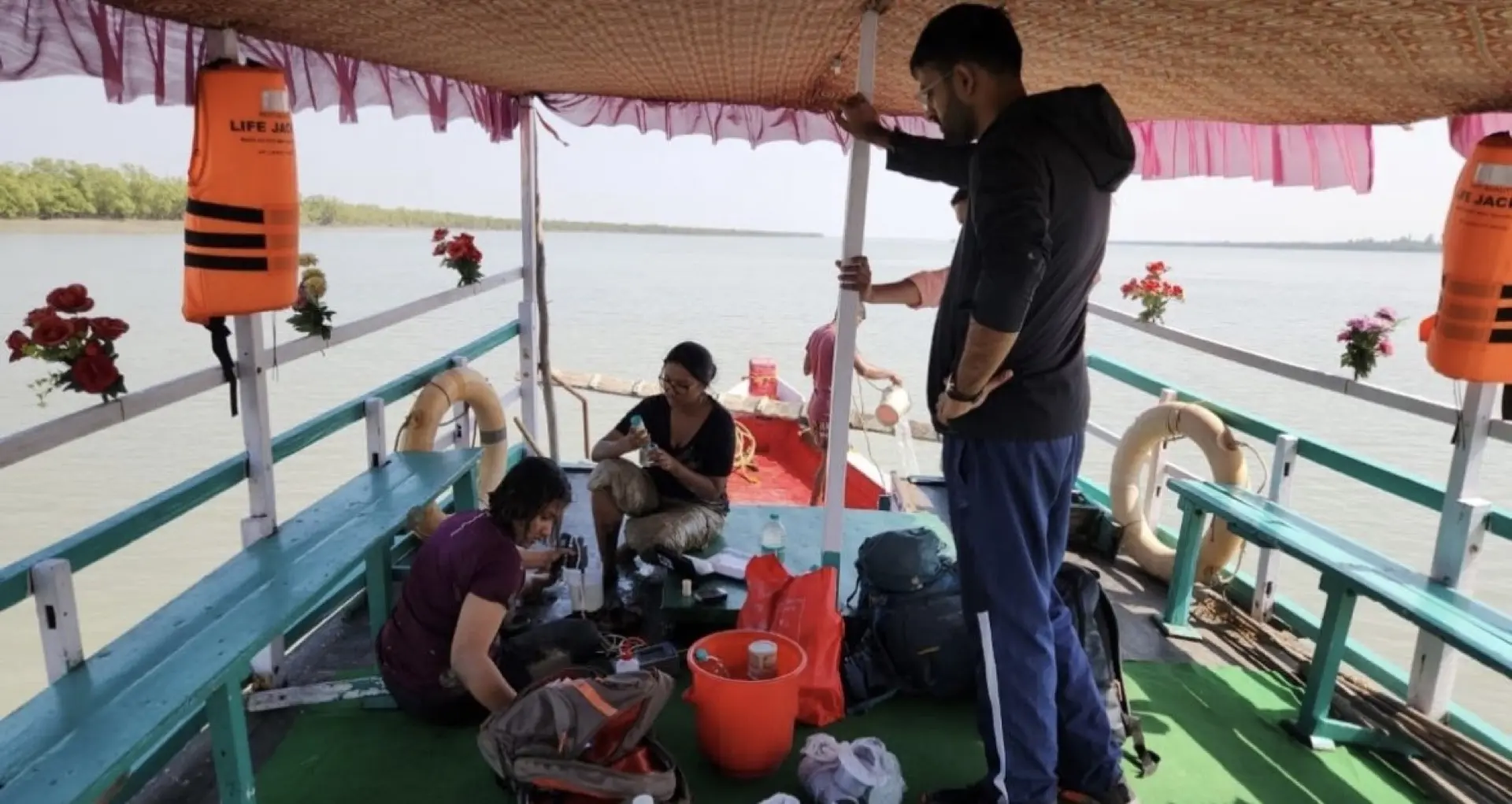
We had no idea. But we were about to find out.
Three years later, we now spread volcanic rocks on agricultural fields 4 times the size of Manhattan. We work with 35,000+ farmers across Eastern India. During Monsoons, the CO2 in rainwater interacts with the minerals in our rocks. Carbon is transformed into ionic form. A stable, durable way to store it. India’s rivers transport these to the ocean. Locking it permanently as bicarbonates. Creating Corals from Clouds.
Today Alt Carbon has proven that ERW works & it can be scaled to gigaton. We have removed ~10,000 tons of CO2 from the atmosphere (independently audited by Isometric).
How we remove CO₂
- We mapped out India’s basalt reserves, sourced waste rocks, and transported it to 60,000 acres of land
- We collected 20,000+ soil & river samples over 24 months. For context: Europe’s LUCAS Soil Survey — one of the most ambitious undertakings in the history of Earth Sciences, collected roughly 20,000 harmonised soil samples.
- We analysed these samples at the Darjeeling-Climate Action Labs using advanced Spectroscopy– the technique that Nasa uses to analyse extra terrestrial objects, semiconductor companies employ to study silicon wafers, and researchers utilise to design new drugs.


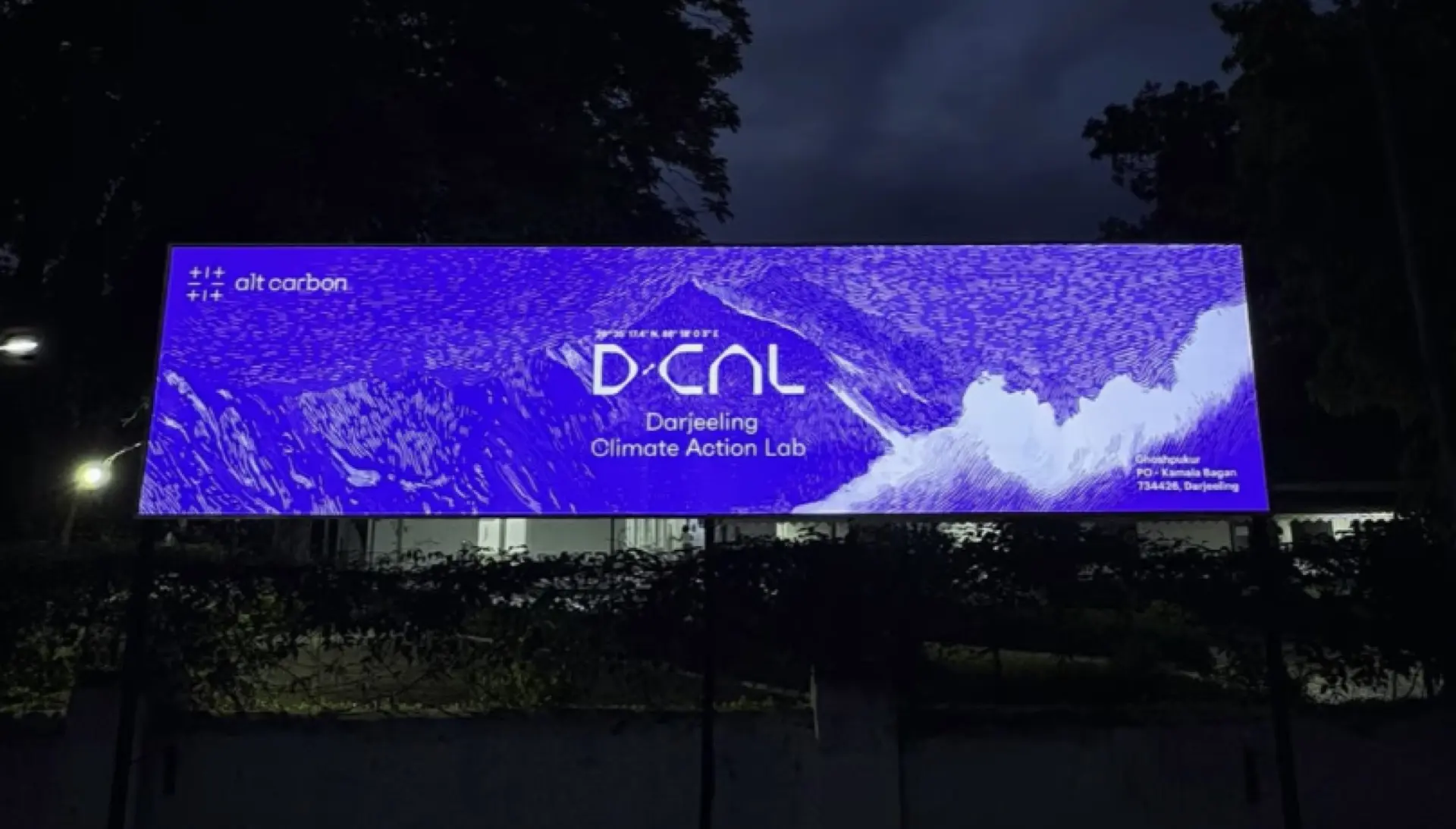
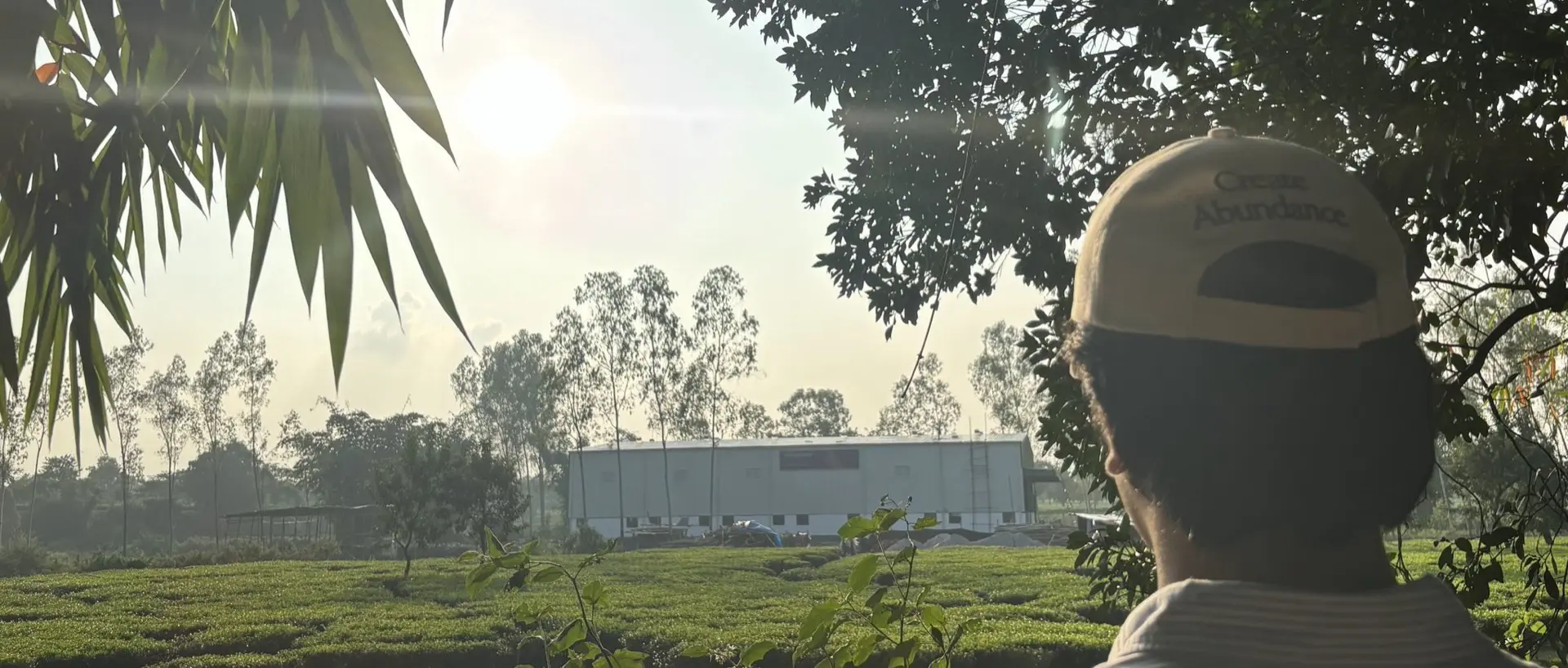
But our work is just getting started. In the coming years, not only will we scale our work across Indian crops and soils, we are also deepening our understanding of the science involved. Between our labs, our field operations, and our academic collaborations with the Indian Institute of Science (Bangalore), Ashoka University, and North Bengal University, we will be conducting R&D to improve the science of measuring carbon removal– by studying soils, rivers, ocean.
You can join our growing tribe here.
The age of AI demands planetary-scale carbon removal. We are here to move mountains to make that possible.